
Introduction
Finding the right Indonesian lessons for beginners can turn a confusing learning journey into an enjoyable experience. At first, you may only want to learn a few words for a holiday or conversation. Soon, however, you might discover that speaking Indonesian creates new opportunities to connect with people, understand the culture, and feel more comfortable in everyday situations.
The biggest challenge is often knowing where to start. Hundreds of apps, videos, and websites offer Indonesian lessons, yet they do not always follow a clear order. Beginners can quickly become overwhelmed. SpeakIndo offers a different approach. Our online program guides learners through useful topics step by step, so you can focus on learning instead of searching for your next lesson.

Why Beginners Need a Clear Learning Path
Starting with difficult grammar rarely gives beginners the confidence they need.
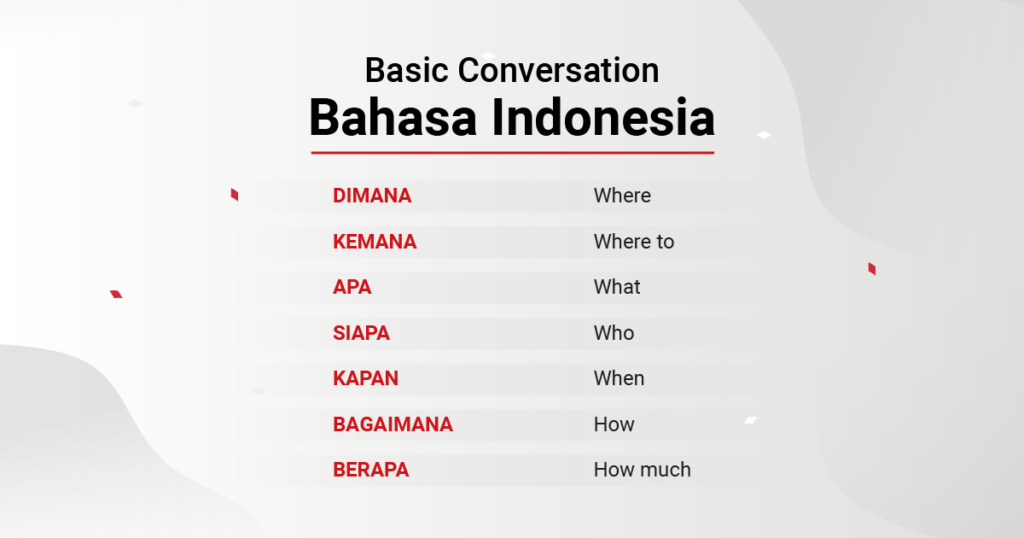
Basic communication should come first. Greetings, introductions, numbers, simple questions, and common words give you something useful to practise immediately.
Once those basics become familiar, you can slowly add new language.
A clear order also makes progress easier to see. Instead of collecting random vocabulary, you build on knowledge from earlier lessons.
That sense of progress can help you stay motivated.
Why Random Self-Study Often Fails
Free learning resources can be helpful. The problem begins when they become your entire study plan.
For example, you might watch a video about food today. Tomorrow, an app teaches you colours. Later in the week, you find an article about Indonesian grammar.
All three resources may be good, but there is no connection between them.
As a result, you can know many words without being able to build a simple conversation. Searching for learning material also takes time that could have been spent practising.
Structure solves this problem.
Learn Indonesian Through Everyday Life
Useful language is easier to remember because you can connect it to a real situation.
For this reason, SpeakIndo introduces topics that beginners are likely to use in daily life.
Lesson themes include:
- Greetings and names
- Family and friends
- Numbers and prices
- Food and drinks
- Shopping
- Time and dates
- Work and study
- Travel and transport
Each topic gives new vocabulary a purpose. Instead of memorising a word without context, learners discover how it can be used in a conversation.
This approach makes studying feel more practical.
What You Get with SpeakIndo
Good Indonesian lessons for beginners should help develop several skills at the same time.
SpeakIndo combines different learning activities within one clear program.
Students receive:
- Easy video lessons
- Indonesian audio practice
- Everyday vocabulary
- Short reading tasks
- Speaking practice
- Exercises and quizzes
- Flexible online access
- Step-by-step learning
Every activity has a different purpose.
Videos introduce new material, while audio helps learners hear Indonesian clearly. Reading gives students another chance to recognise familiar words. Speaking practice then turns passive knowledge into active communication.
Build Listening Skills from the Beginning
Listening is one of the most important parts of learning a language.
New Indonesian speakers sometimes become surprised when they hear a real conversation. Words that seemed easy on paper may sound different when spoken naturally.
Regular listening practice prepares your ears for those situations.
Do not worry if you cannot understand every word at first. Listen for familiar expressions and try to understand the general meaning.
Over time, more words begin to stand out. Speaking may become easier too because you have heard the correct pronunciation many times.
Speak Before You Feel Ready
Many beginners make one important mistake: they wait too long before speaking.
They want to know enough grammar first. Some hope to memorize hundreds of words, while others worry about their pronunciation.
Waiting for perfection does not help.
Start with a simple greeting. Next, practise introducing yourself. After that, try asking an easy question.
These small conversations build real confidence.
Mistakes will happen, but that is part of learning. Each mistake can show you what needs more practice.
Make Indonesian Part of Your Routine
You do not need several free hours every day to make progress.
Short study sessions can work very well when they become a regular habit. Ten or twenty minutes each day may be easier to maintain than a long weekend session.
Simple habits include:
- Reviewing five new words
- Listening to short audio
- Repeating useful phrases
- Reading a small text
- Practising one conversation
- Revisiting an older lesson
Choose activities that fit naturally into your day.
Consistency is the important part. A realistic routine is much easier to continue for several months.
Learn Wherever You Are
Online learning gives students much more control over their schedule.
Perhaps you want to study before going to work. Another day, lunchtime may be more convenient. Travellers can continue practising while moving between cities.
SpeakIndo allows you to choose when you learn.
If a topic needs extra attention, review it again. When you already understand something well, move forward.
This freedom makes the program suitable for people with busy or changing schedules.

Who Can Use These Indonesian Lessons?
SpeakIndo is designed for adults who are starting their Indonesian journey.
Travellers can prepare for conversations before visiting Indonesia. Expats may want to communicate more easily in shops, restaurants, or their neighbourhood.
International students have different needs. Being able to speak basic Indonesian can make daily life and social situations easier.
Professionals may also benefit from learning the language. Even simple Indonesian can create a warmer connection with colleagues or business contacts.
For people with Indonesian partners, relatives, or friends, learning the language can become something more personal.
Learning Indonesian Is More Than Memorising Words
A language gives you another way to connect with people.
Ordering food in Indonesian may seem like a small achievement. Having your first conversation with a local shopkeeper can feel much bigger.
As your skills grow, everyday experiences may change.
You start recognising words around you. Conversations become easier to follow, and situations that once felt unfamiliar can become more comfortable.
These moments provide a strong reason to keep learning.
Explore More SpeakIndo Learning Resources
Your learning journey does not need to stop after one article.
SpeakIndo already has several related resources that can help you explore Indonesian from different angles. Add internal links from this section to your existing articles:
- Indonesian for Beginners
- Online Indonesian Lessons
- Indonesian Speaking Course
- Study Indonesian Online
- Indonesian Language Course
Connecting these articles is useful for readers because they can easily find the next topic. It also helps search engines understand that SpeakIndo contains a growing collection of related Indonesian-learning content.
For checking official Indonesian spelling and word meanings, learners can also use KBBI, the official Indonesian dictionary.
Start Your Indonesian Lessons for Beginners Today
Learning Indonesian becomes much easier when you stop trying to learn everything at once.
Begin with useful words. Listen to how they sound, practise short sentences, and gradually add new topics.
SpeakIndo’s Indonesian lessons for beginners provide a clear path for doing exactly that. Video, audio, reading, vocabulary, exercises, and speaking practice work together to help learners build useful skills.
You also remain in control of your schedule. Study when you have time, repeat lessons when necessary, and move forward at a comfortable pace.
Visit SpeakIndo and start your Indonesian learning journey today.
Once you begin making progress, consider inviting a friend, partner, or colleague to learn with you. Practising together gives you more opportunities to speak and can make each lesson more enjoyable.